Wondering what daily life really feels like in Arroyo Grande’s Village Core? It is easy to fall for the charm of a historic downtown, but what matters most is how a place works for your everyday routine. If you are considering a move, a purchase, or simply getting to know this part of Arroyo Grande better, here is a practical look at how the Village Core blends walkability, local character, and a steady community rhythm. Let’s dive in.
A Small-Town Core That Still Works
Arroyo Grande’s Village Core is both the symbolic and practical downtown of the city. Local planning documents describe it as a mixed-use center designed to support pedestrian-oriented activity while staying compatible with the original village’s historic small-town character.
That distinction matters. The Village Core does not read like a dense urban district or a heavily commercialized center. Instead, it feels compact, modest in scale, and layered with a mix of homes, offices, and businesses that support daily life within just a few blocks.
What Everyday Errands Look Like
One of the biggest lifestyle advantages in the Village Core is convenience without losing character. The area supports many of the routines that make a neighborhood feel livable, from grabbing coffee in the morning to picking up lunch, browsing local shops, or meeting friends for a casual outing.
Current local listings highlight a range of familiar stops in and around the Village, including Mule Bakery + Cafe, Cafe Andreini, Branch Street Deli and Pizzeria, Verdad & Lindquist Wines, Timbre Winery, Neighbors General Store, The Haven, Hello Village, and The Green Vase. Together, these businesses help create a downtown rhythm that feels useful, not just scenic.
The city’s land-use policy reinforces that pattern. In the Village Core, specialty retail, restaurants, low-intensity visitor-oriented businesses, and outdoor dining are encouraged, and residential uses can be combined with ground-floor commercial space. That helps the area feel lived-in throughout the day.
A Walkable Pace With Local Character
If you enjoy places where you can park once and do several things on foot, the Village Core stands out. The city’s planning vision emphasizes pedestrian-oriented activity, and that shows up in how the district functions from block to block.
In practical terms, that can mean starting your day with coffee, crossing through the historic core for a quick errand, stopping for lunch, and spending a little extra time browsing nearby shops. It is the kind of environment where daily routines can feel a bit more relaxed and connected.
Centennial Park Adds Weekend Energy
Saturday brings a different rhythm to the Village. Centennial Park, located at Olohan Alley and Short Street, is described by the city as a creekside gathering place suited to picnics and small events.
It is also home to the farmers’ market, and the city notes that live music is often offered on most Saturdays from noon to 2:30 p.m. For many people, that kind of recurring event is what turns a charming area into a place that feels active and social week after week.
Landmarks That Shape the Experience
The Village Core also has a few recognizable landmarks that give everyday life more texture. The most well-known is the Swinging Bridge, which was originally built in 1875 and spans 171 feet across Arroyo Grande Creek.
The city maintains it as the only bridge of its kind in California. Whether you are visiting for the first time or passing through as part of a normal day, it adds a strong sense of place that is hard to replicate in newer neighborhoods.
Nearby, Heritage Square Park contributes another layer to the Village experience. Its bandstand is used year-round for community events, and the city’s summer concert series is scheduled there on Sundays from July 4 through September 20, 2026.
Parks and Gathering Spaces Nearby
For buyers thinking beyond storefronts and sidewalks, nearby parks matter too. Elm Street Park adds an important recreational space close to the Village lifestyle mix.
The city says the Kiwanis Inclusive Playground there is fully accessible, multi-generational, and opened in November 2022. That gives the broader area another community-focused feature that supports day-to-day living, casual outings, and time outdoors.
Community Events Give the Village a Rhythm
A neighborhood can look appealing on a quiet weekday, but recurring events are often what show how connected a place really is. Arroyo Grande has a strong calendar of annual and seasonal events that help the Village Core feel active throughout the year.
City-listed events include the Harvest Festival & Parade, Jingle Bell Dash, Holiday Parade, Breakfast with Santa, and Tree Lighting & Snow. The Harvest Festival is especially notable because the city describes it as a long-standing tradition dating back to 1937, centered on agriculture, food, games, entertainment, and local nonprofits.
For someone considering a move, that event calendar says a lot. It suggests that life near the Village is not only about pretty streets and historic buildings, but also about having regular, shared moments that bring people back into the core again and again.
What Homes Near the Village Feel Like
The residential areas around the Village Core have grown over time, and that history still shows in the housing stock. City historic context materials note clusters of homes around the core, especially south of Branch Street and around Branch and Bridge, with additional pockets along Nelson, Allen, Mason, Le Point, and Crown Hill.
Some intact groups of homes just outside the Village Core may even be eligible as historic districts. That helps explain why the area often feels distinct from newer parts of town. There is a stronger sense of pattern, scale, and architectural continuity.
Older Homes With Character
Many of the earlier homes tied to this setting are modest in scale and rich in detail. The city identifies small cottages and wood-frame residences with front porches, gabled or hipped roofs, and limited ornamentation, along with vernacular, Queen Anne, Italianate, and Craftsman examples.
Homes built from about 1911 to 1940 are often Craftsman Bungalow or Mediterranean Revival in style. These are usually one story, slightly set back from the street, and finished with wood or stucco.
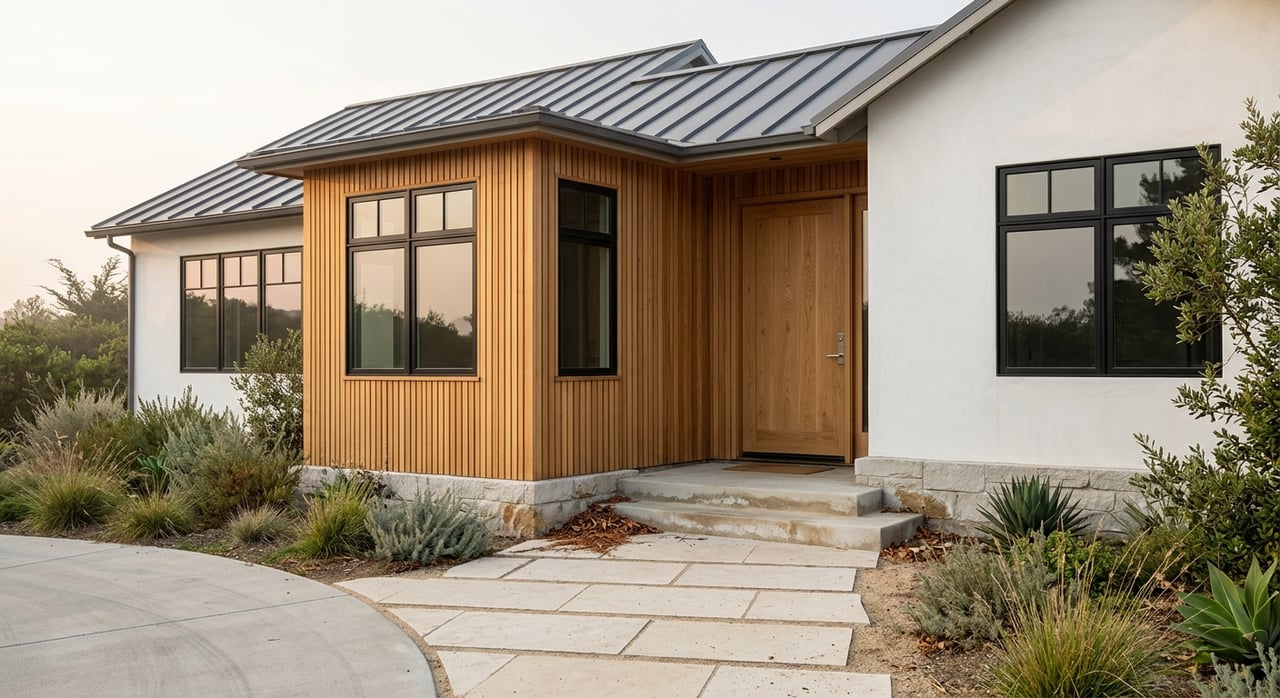
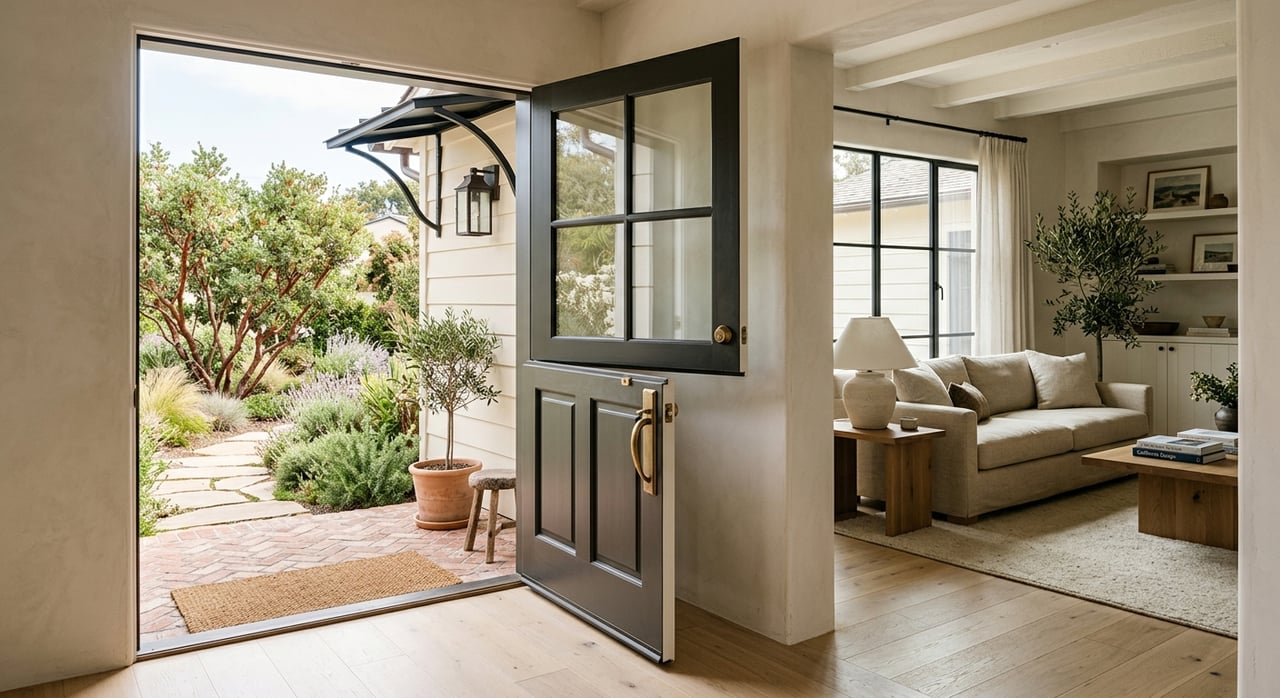
For buyers, that can translate into a very different feel from a typical subdivision home. You may find more architectural personality, smaller-scale footprints, and a stronger connection between the house and the street.
Areas Beyond the Core
As you move farther from the Village, the housing pattern changes. The city notes more post-war subdivision homes in Ranch, Minimal Traditional, and Modern styles, often with garages, larger yards, and curving streets or cul-de-sacs.
There are also occasional bungalow-court apartments and small-to-medium apartment buildings, mostly from the mid-20th century. So if you are drawn to the Village lifestyle, it helps to think about whether you want to live in the historic fabric itself or in a nearby pocket that still gives you access to the core.
Why Buyers Are Drawn Here
For many buyers, the appeal of the Village Core comes down to balance. You get walkable daily conveniences, recognizable landmarks, and a year-round calendar of events, all within a setting that still feels modest and residential in character.
That mix can be especially attractive if you value homes with personality, enjoy doing parts of your routine on foot, or want a neighborhood with a visible social rhythm. It is less about fast-paced downtown living and more about having a compact, connected environment where errands, outings, and community life overlap naturally.
What To Keep In Mind When House Hunting
If you are exploring homes near the Village Core, it helps to look past surface charm and think about fit. A character home may offer a great location and a unique feel, while a property slightly farther out may give you more yard space, a different layout, or a post-war floor plan that suits your needs better.
This is also where local guidance matters. If you are comparing older homes, updated properties, or places with renovation potential, having someone who understands condition, layout, and long-term value can help you make a clearer decision without overcomplicating the process.
Arroyo Grande’s Village Core offers a lifestyle that is easy to picture once you spend time there. You can see how coffee runs, weekend market visits, local events, and historic streets all come together to shape daily life in a way that feels both practical and memorable.
If you are thinking about buying or selling near Arroyo Grande and want calm, strategic guidance grounded in local market knowledge, Jason Townsend can help you evaluate the right fit for your goals.
FAQs
What is the Village Core in Arroyo Grande known for?
- The Village Core is known as Arroyo Grande’s historic downtown area, with a pedestrian-oriented layout, mixed-use character, local shops and dining, the Swinging Bridge, and a steady calendar of community events.
What can you walk to in Arroyo Grande’s Village Core?
- In the Village Core, you can typically access coffee spots, bakeries, lunch options, specialty retail, outdoor dining, parks, and community gathering spaces within a compact area.
What happens on Saturdays in Arroyo Grande’s Village Core?
- Saturdays often center around Centennial Park, where the city hosts the farmers’ market and often live music from noon to 2:30 p.m. in a creekside setting.
What types of homes are near Arroyo Grande’s Village Core?
- Homes near the Village Core include older cottages, wood-frame residences, Craftsman Bungalows, Mediterranean Revival homes, some apartment properties, and farther out, more post-war Ranch and Minimal Traditional homes.
Is Arroyo Grande’s Village Core more urban or small-town?
- The Village Core is better described as small-town in scale and character, with a compact, walkable layout rather than a dense urban feel.
Why do buyers consider homes near Arroyo Grande’s Village Core?
- Buyers are often drawn to the combination of historic character, walkable daily conveniences, nearby parks, local landmarks, and recurring events that create a strong sense of place throughout the year.