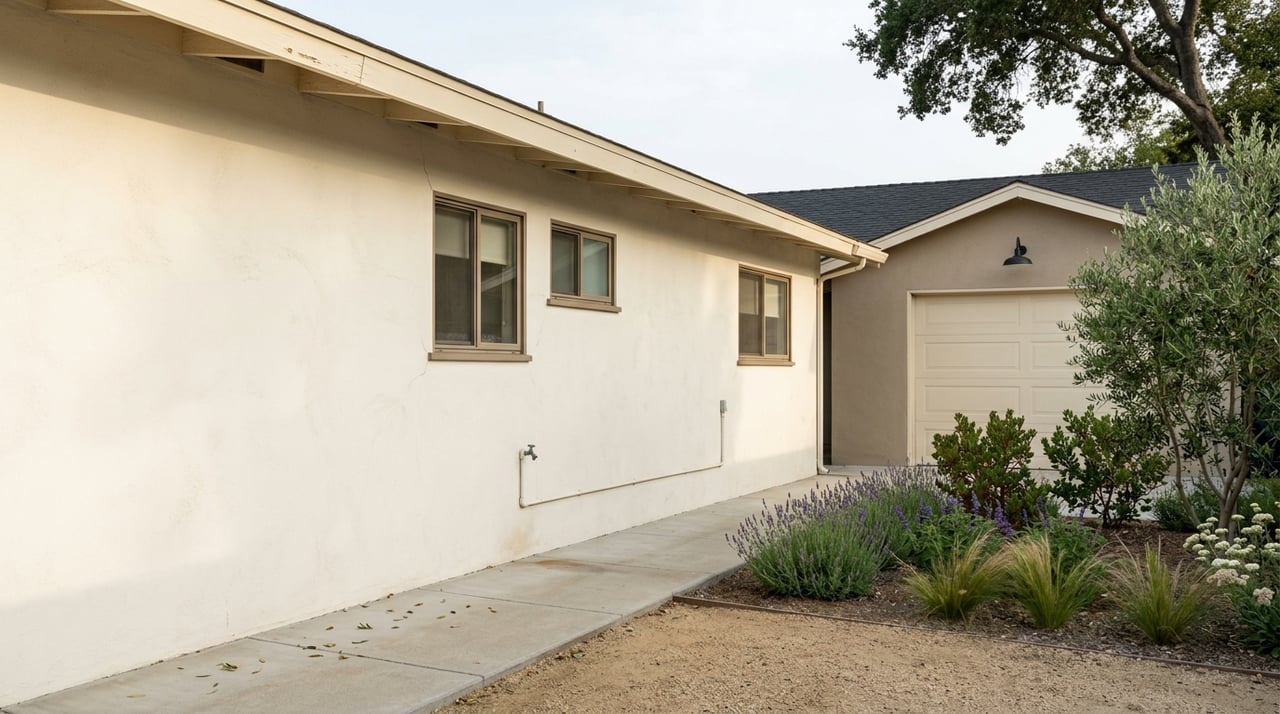
Selling an inherited home in Templeton can feel like two jobs at once. You are often managing a property while also sorting through legal paperwork, family decisions, and tax questions. The good news is that the process becomes much clearer when you know the right order of operations. If you understand who can legally act, what county steps matter, and how to prepare the home for market, you can move forward with more confidence. Let’s dive in.
Start With Legal Authority
Before you think about photos, staging, or pricing, confirm who has the legal authority to sell the home. In California, that answer depends on how the property was owned and whether the estate needs to go through probate.
According to California Courts, probate is the legal process used to transfer or inherit property after someone dies. Not every home goes through formal probate, though. A home held in joint tenancy or certain living trusts may pass outside probate, which can affect how quickly the property can be listed and sold.
If probate is required, the personal representative is generally responsible for gathering estate assets, paying debts, and distributing what remains. Certified letters are often needed by banks, title companies, and tax authorities. In practical terms, this means your first step is usually confirming who can sign, what title documents exist, and whether the home is part of an estate, a trust, or another ownership structure.
Why This Matters Early
That ownership path affects the whole timeline. It can determine whether the home can be listed right away or whether you need to wait until certain paperwork is in place.
For many families, this is the point where questions come up fast. If you are not sure whether the property is in probate or trust administration, or who has authority to act, that is a question for an attorney or another qualified professional.
Handle San Luis Obispo County Paperwork
When you inherit a Templeton home, local paperwork matters sooner than many people expect. San Luis Obispo County says the Assessor must be notified of a death by filing the Change in Ownership – Death of Real Property Owner form within 150 days of the date of death, or earlier if the estate is in probate.
One point that often surprises families is that recording an affidavit of death does not count as notifying the Assessor. The County Clerk-Recorder also states that it cannot provide legal advice or prepare legal documents. If you have questions about deeds, signatures, or legal authority, those questions belong with a qualified legal professional.
A Simple First Checklist
Here is a practical way to organize the early stage:
- Confirm how title was held
- Identify who has authority to sign
- Gather trust or probate documents
- File the required county assessor form on time
- Clarify whether the home can be listed now or later
This step may not feel as visible as cleaning out the house, but it often sets the pace for everything that follows.
Understand Property Tax Changes
Inherited property often raises immediate questions about property taxes. In San Luis Obispo County, a transfer on death can be a change in ownership for property tax purposes unless an exclusion applies.
The county also notes that property held in trust may still be reassessed when the trustor or present beneficiary dies. In other words, a trust does not automatically prevent reassessment.
How Prop 19 Can Affect Families
California’s Prop. 19 rules are especially important if a child or grandchild plans to keep the home. The State Board of Equalization says the parent-child exclusion now applies only to a family home or family farm.
San Luis Obispo County adds that, for the full benefit to apply, the eligible child or grandchild generally must make the property their principal residence within one year and file the homeowners’ or disabled veterans’ exemption within one year. The county also says the parent-child or grandparent-grandchild claim must be filed within three years of the transfer, or before the property is transferred to a third party, whichever comes first.
If the inherited home is sold before the exclusion claim is handled, the county warns that the full benefit may be lost. That makes timing important, especially if your family is still deciding whether to keep or sell the property.
Know the Capital Gains Conversation
Many sellers worry that inheriting a home automatically creates a large tax bill. In reality, the more common issue is capital gain when the home is sold, not the fact that it was inherited.
California says gifts and inheritances are not included in income, though income later produced by inherited property can be taxable. The IRS states that the basis of inherited property is generally its fair market value at the date of death. Because of that, many heirs end up with less taxable gain than they initially expect when the property is sold.
California taxes capital gains as ordinary income and requires them to be reported on the federal return, with California Schedule D used when state treatment differs. While an agent can help you spot questions early, legal and tax advice should come from a CPA, enrolled agent, attorney, or property tax professional.
Prepare the Home in the Right Order
Once authority and tax questions are moving in the right direction, the next issue is the home itself. Most inherited properties need some level of sorting, cleanout, and condition review before they are ready for the market.
California Courts explains that the person handling probate should organize information about what the decedent owned and owed. In real-world terms, that is often when families begin sorting documents, clearing personal items, and deciding what condition issues need attention.
Think Triage, Not Full Remodel
An inherited home does not always need a major renovation before it sells. In many cases, the smartest plan is to treat the property like a triage project.
Start with the most important items first:
- Remove obvious hazards
- Clear excess contents and personal property
- Identify deferred maintenance
- Separate necessary repairs from optional updates
- Decide what to address before listing and what to reflect in pricing
Buyers will usually notice clutter, worn finishes, signs of vacancy, and maintenance issues. That does not mean you need to fix everything. It means you need a clear strategy.
Decide Whether To Repair or Sell As-Is
This is one of the biggest questions families ask. Should you improve the property first, or sell it in its current condition?
The answer depends on the home’s condition, your timeline, your budget, and how the market is likely to respond. Some inherited homes benefit from a light refresh, such as cleaning, landscaping, paint, or minor repairs. Others are better positioned with straightforward pricing and clear expectations rather than a long prep period.
A Practical Way To Decide
A calm, strategic review usually helps you weigh the tradeoffs:
| Option | Best Fit | Main Consideration |
|---|---|---|
| Light prep | Home is basically sound but looks dated or cluttered | Can improve presentation without major cost |
| Targeted repairs | A few visible issues may affect buyer confidence | Focus on repairs that matter most to value or marketability |
| Sell as-is | Timeline, budget, or condition makes major prep unrealistic | Price needs to reflect current condition |
For inherited homes, the goal is not perfection. The goal is to make informed choices that support your timing and protect your bottom line.
How a Local Agent Helps
An inherited sale often needs more coordination than a standard listing. California law gives a seller’s agent duties that include reasonable care, honest dealing, loyalty to the seller, and disclosure of known material facts affecting value or desirability.
The California Department of Real Estate also says seller’s brokers market the home, highlight selling points, and report buyer concerns back to the seller. In an inherited sale, that can be especially valuable because there are often more moving parts and more decisions to make along the way.
What That Can Look Like in Templeton
A local agent can help you:
- Translate condition into a pricing strategy
- Coordinate cleanout and listing prep timing
- Share practical insight on which fixes may matter most
- Position the home for the Templeton market
- Manage showings, buyer feedback, and negotiations
An experienced agent is not a substitute for your attorney or tax professional. But the right agent can be the steady point of coordination while those professionals handle authority, reassessment, and tax questions.
For a Templeton inherited home, that local perspective matters. A thoughtful plan can help you avoid over-improving, underpricing, or losing time on steps that should have been handled earlier.
If you are sorting through an inherited property and want a calm, practical plan for next steps, Jason Townsend can help you evaluate condition, timing, and market strategy with local insight.
FAQs
Do I need probate to sell an inherited home in Templeton?
- Not always. California Courts says some homes may pass outside formal probate, such as property held in joint tenancy or certain living trusts, so the ownership structure needs to be confirmed first.
Who can sign to sell an inherited Templeton house?
- The person with legal authority depends on how the property was held and whether probate is required. That may be a personal representative, trustee, or another authorized party.
Does San Luis Obispo County require a death notification for inherited property?
- Yes. The County Assessor says the Change in Ownership – Death of Real Property Owner form must be filed within 150 days of the date of death, or earlier if the estate is in probate.
Will property taxes change after inheriting a Templeton home?
- They can. San Luis Obispo County says a transfer on death may be a change in ownership for property tax purposes unless an exclusion applies.
Should I clean out an inherited home before listing it for sale?
- In most cases, yes. A cleanout helps you remove hazards, reduce clutter, and better judge the home’s condition before deciding on repairs, pricing, and presentation.
Should I repair an inherited Templeton home or sell it as-is?
- It depends on the home’s condition, your budget, and your timeline. Many inherited sales benefit from a focused plan that separates essential fixes from optional updates.